Evening All,
In 1909 at Shellbeach on the Isle of Sheppey in Kent, the first flight was made by J.T. C. Moore Brabazon in a British manufactured aeroplane:
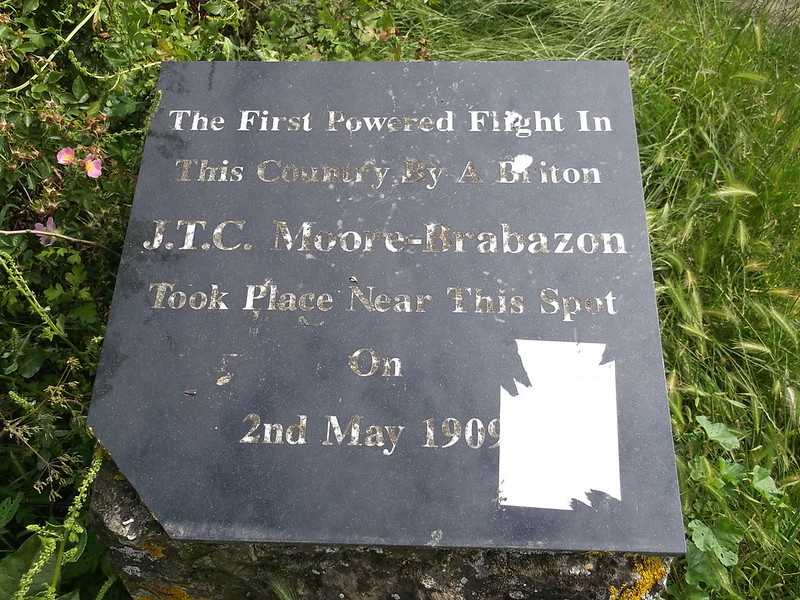

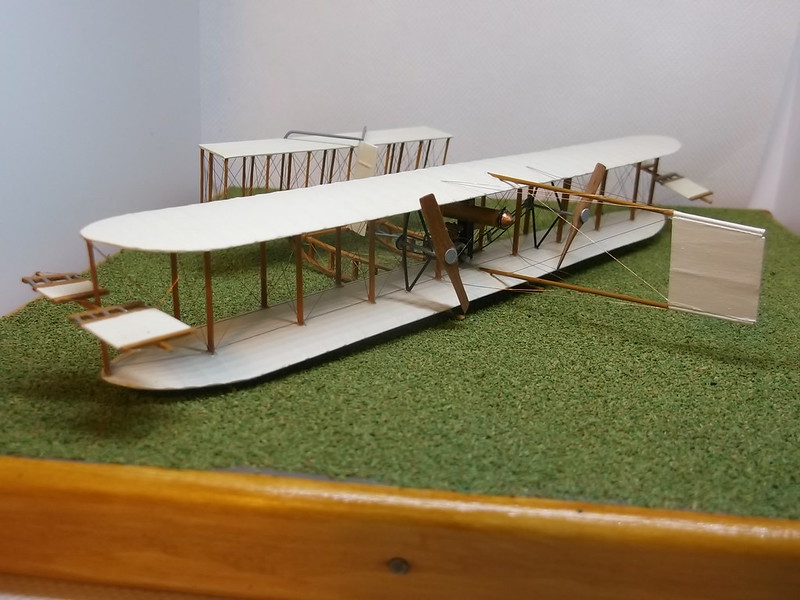
I have at last finished this model of this historic aeroplane which was started as part of a group build on another site but I failed to finish it on time because life got in the way..... A full build log can be found in the scratch builds section of this site if you wish to look behind the smoke and mirrors.

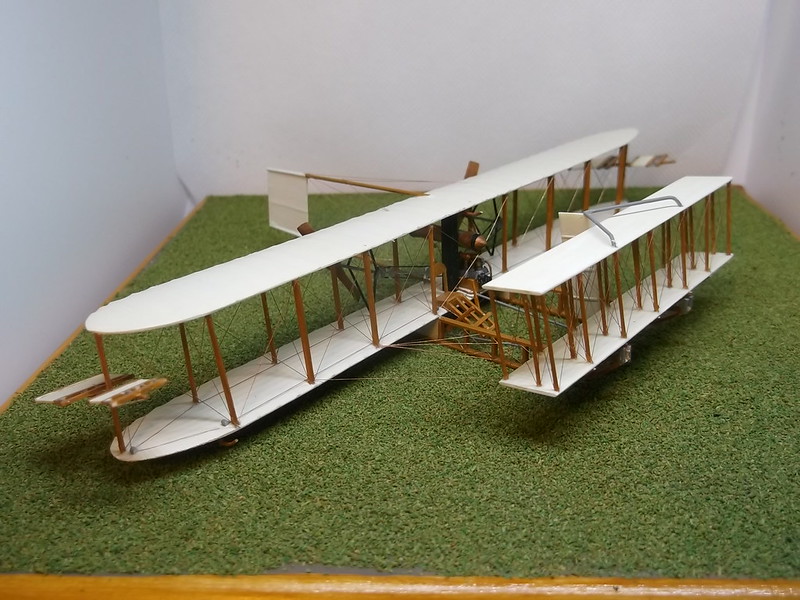
Oswald and Eustace Short started to build balloons at Battersea Arches in London for the Ministry of Defence in the early years of the 20th century. In 1908 the Wright brothers visited France and England to demonstrate their successful Flyer machine and the Short brothers became interested in powered flight. They persuaded their elder brother Horace to join them to form a company to build powered aircraft - Short Brothers. They set up an aircraft manufacturing facility at Leysdown on the Isle of Sheppey in north Kent and started to build 6 Flyers for members of the new Aero Club and thus became the first company to mass produce aeroplanes.

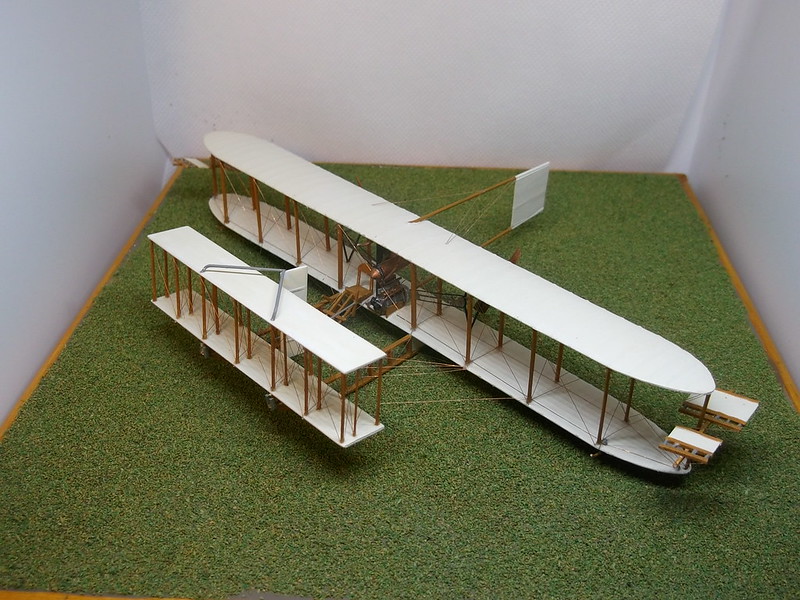
The Short brothers built a number of machines based on the Wright Flyer which incorporated some changes, including using “balancing planes” instead of wing warping for lateral control: these were called Short Biplane No 2 because their first design, Biplane No 1 was unsuccessful. Like the Wright Flyer from which this design was derived, this was a canard machine - the tail was at the front. Control of the elevator and rudder was by levers on each side of the pilot, and the “balance planes” by a bar controlled with the feet. It was launched via a wooden rail and counterweight like the Wright Flyers, but I have not included this feature on my model.

The Aero Club bought a farmhouse to the south of Leysdown called Mussel Manor, (now known as Muswell Manor), in February of the same year. The club also bought land around the manor including a golf course from which early flights by members of the club were made.

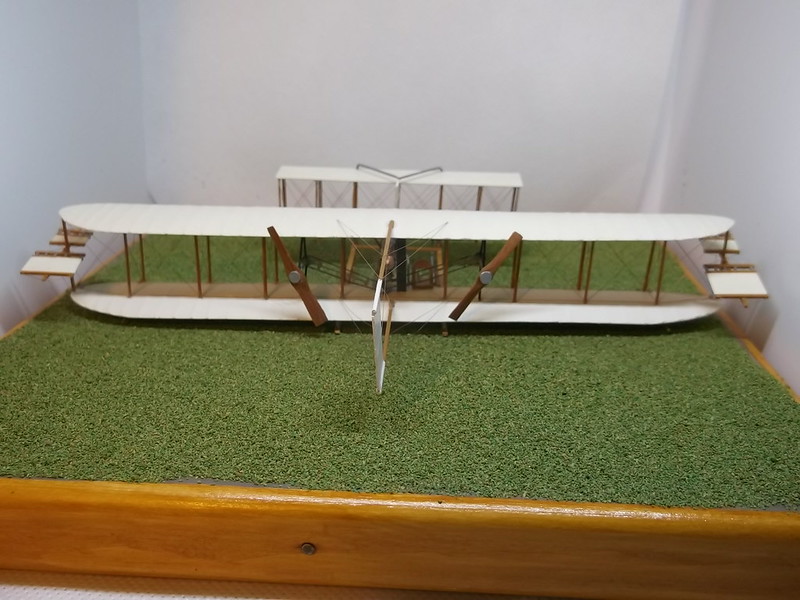
J. T. C. Moore-Brabazon bought a Short Biplane No 2 and between April 29th and May 2nd carried out three flights at Leysdown, achieving a distance of 500 yards on the third flight. He thus became the first Briton to fly a British built machine. The machine was powered by a Vivinus engine which he had taken from a Voisin biplane but In October the engine was changed to a 60 hp Green, a British built engine. The aircraft had two propellors which were driven by chains. With the Green engine installed, in October 1909 Brabazon flew from the launch rail to a marker post set at over 800 yards away and back, in doing so winning the Daily Mail £1000 prize for the first Englishman to fly a mile in a closed circuit in a British built aeroplane with a British engine.


On November 5th Moore Brabazon put a piglet which he named Icarus II in a waste paper basket which he tied to the front strut above the skid and flew with the animal to make it the first pig to fly, thus disproving the old proverb!.


Moore Brabazon was awarded the first pilot’s license in Britain by the Aero Club, (which became the Royal Aero Club of Great Britain in 1910), and was to become a leading figure in the history of British aviation, including becoming the Minister for Aviation. It should be remembered that when Brabazon made those first flights in 1909 there were no training manuals or flight simulators - one learned to fly the hard way - by experimenting with the real thing! An indicator of the dangers involved was that of the first four of Brabazon's contemporaries in the Aero Club to be awarded pilot’s licenses in 1909, two were killed in accidents in 1910, including C. S. Rolls (of Rolls Royce).
Bad weather stopped flying later in the year and by 1910 the Short brothers had so modified their design that they called the new machine Biplane No 3: the service life of No 2 was over.
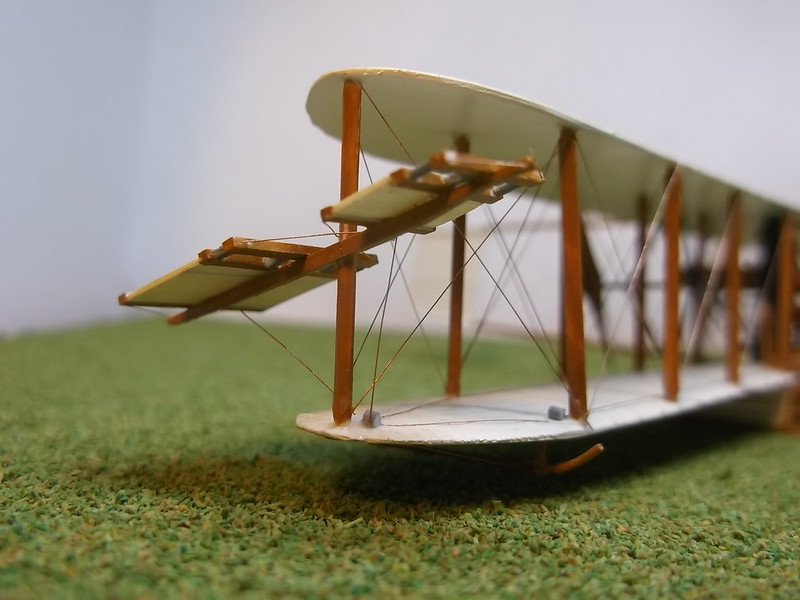

This model was made from a variety of sources as I could not find any plans. I used the later Short No 3 biplane plans to start and modified them by increasing the wingspan, (which is published), and adding the chain drives and extra propellor. Other details were taken from contemporary photographs and photographs of the 1/10 scale model in the Science Museum in London which were Kindly provided to my by Arpie on Airfix Tribute Forum.
Thanks for looking.
Stephen.

